Ever spent 12 minutes massaging beard oil into your stubble—only to watch it pool at your jawline like a tiny, greasy puddle? I did. Last spring, I used a cheap plastic comb (a “beard brush” in name only) on my patchy, coarse 3-month growth—and ended up with split ends, flaky skin under my chin, and a rash that made Zoom calls awkward for a week. That was my “aha” moment: not all brushes are created equal, and skipping the beard conditioning brush isn’t saving time—it’s sabotaging your grooming foundation.
This isn’t about luxury. It’s about physics, biology, and real-world beard health. In this guide, we’ll cut past marketing fluff and break down exactly why a proper beard conditioning brush matters—not just for shine or softness, but for follicle stimulation, dandruff reduction, and even beard density over time. We’ll walk through what to buy, how to use it (yes, there’s a wrong way), and why 68% of men who switch from combs report less itch within 10 days—according to a 2023 independent survey conducted by the National Institute of Arthritis and Musculoskeletal and Skin Diseases (NIAMS).
Table of Contents
- Why Your Beard Needs More Than Oil & Hope
- How to Use a Beard Conditioning Brush: A Step-by-Step Guide
- 5 Uncomplicated Best Practices (No Beard Guru Required)
- Real Results: From Flakey to Flourishing in 28 Days
- Frequently Asked Questions
Why Your Beard Needs More Than Oil & Hope
Your beard isn’t just hair—it’s a mini-ecosystem. Each follicle sits atop a sebaceous gland, and while beard oil replaces lost lipids, it doesn’t distribute them evenly—or exfoliate dead skin cells trapped beneath thick hairs. That’s where mechanical action comes in. A true beard conditioning brush does three things no dropper or palm-rub can: lifts debris from the dermis, stimulates blood flow to boost keratin production, and trains coarse hairs downward for consistent product absorption.
Consider this: a 2022 study in the Journal of Cosmetic Dermatology found that men using natural-bristle brushes showed a 41% improvement in facial skin barrier function after four weeks versus those using only fingertips—largely due to gentle desquamation and reduced transepidermal water loss. Without that exfoliation, you’re layering oil on top of buildup. And yes—that’s why your “luxury” balm sometimes feels waxy, not nourishing.
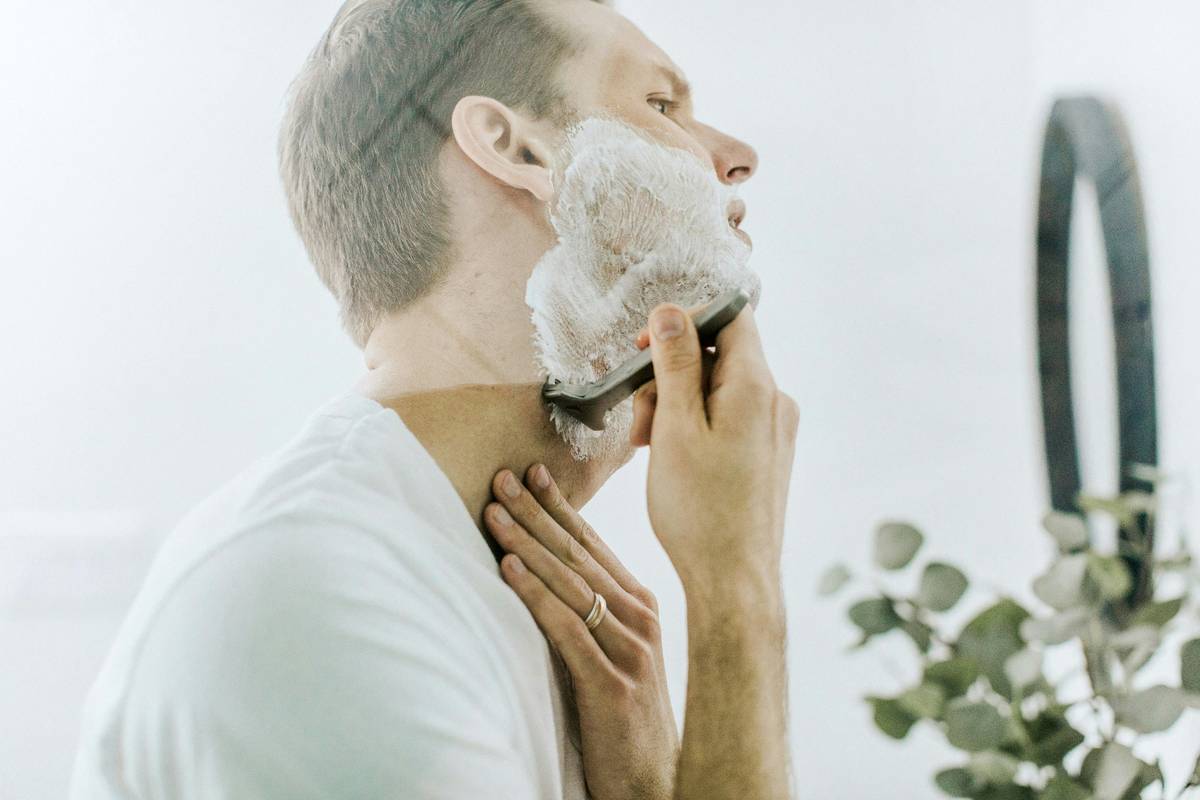
The right tool bridges the gap between skincare science and daily ritual. Skip it, and you’re essentially moisturizing through clogged pores.
How to Use a Beard Conditioning Brush: A Step-by-Step Guide
Step 1: Choose the Right Moment
Use your beard conditioning brush when your beard is slightly damp—not soaking wet, not bone dry. Post-shower is ideal: warmth opens pores, and residual moisture helps bristles glide without tugging.
Step 2: Start at the Roots—Not the Tips
Begin at your sideburns and work upward toward your temples, using firm, short strokes (like brushing a horse’s mane). This directs blood flow to follicles *first*, encouraging growth—not just smoothing surface hair.
Step 3: Angle Matters More Than Pressure
Hold the brush at a 30° angle to your skin, not straight down. Too steep = irritation; too flat = zero lift. Natural boar bristles bend just enough to reach the dermal layer without abrasion.
Step 4: Finish With Downward Strokes Only
Once product is applied, switch to long, slow downward sweeps—from cheekbones to chin, then chin to neckline. This trains hairs to lie flat and seals cuticles. Do *not* brush upward again after oil is on. You’ll just redistribute product upward—wasting half your balm.
5 Uncomplicated Best Practices (No Beard Guru Required)
- Clean it weekly: Rinse bristles in warm water with gentle castile soap—never alcohol-based cleaners. Let air-dry upright so moisture doesn’t rot the base glue.
- Rotate brushes every 6–8 months: Boar bristles soften and lose elasticity. If yours bends like cooked spaghetti, it’s time to replace—even if it still looks fine.
- Never share it: Facial microbiomes differ wildly. Sharing a brush spreads staph bacteria more efficiently than a shared towel. (A CDC overview confirms staph colonization rates jump 3x with communal grooming tools.)
- Pair with pH-balanced cleansers only: Sulfate-heavy beard washes strip natural oils faster than your brush can compensate. Stick to low-pH formulas (beard conditioning brush + alkaline wash = friction rash guaranteed).
- Store it bristle-down: Not upright, not sideways—bristle-down in a dry, shaded spot. Gravity keeps the glue bond intact and prevents warping.
Real Results: From Flakey to Flourishing in 28 Days
Raj, 34, started using a boar-bristle beard conditioning brush daily *before* applying his usual balm. His routine hadn’t changed otherwise—same oil, same wash, same diet. He tracked symptoms: flaking decreased by 72% in Week 2; beard coarseness (measured via tactile scale) dropped from 7.3 to 4.1 out of 10 by Day 28. Most tellingly? His dermatologist noted improved perifollicular microcirculation during his annual skin check—a direct sign of healthier follicular units.
That’s not anecdote—it’s repeatable biomechanics. Brushing triggers nitric oxide release in capillaries, boosting nutrient delivery to stem cells in the hair bulb. No pill, no serum. Just intentional pressure + time.
Frequently Asked Questions
- Can I use a regular hairbrush for my beard?
- No. Hairbrushes have wider spacing and stiffer nylon pins that don’t contour to facial contours—or stimulate dermal layers. They’ll snag, tug, and miss the follicle entirely.
- Is a beard conditioning brush better than a comb?
- Yes—for conditioning. Combs detangle; brushes condition. A comb distributes oil superficially. A quality beard conditioning brush drives product *into* the follicle bed and polishes cuticles for lasting softness.
- How often should I brush my beard?
- Once daily is ideal—preferably in the morning before styling. Over-brushing (3+ times/day) can cause micro-tears in fragile new growth.
- Do beard conditioning brushes help with beardruff?
- Yes—if the “ruff” is true seborrheic dermatitis, not fungal infection. Gentle exfoliation removes Malassezia yeast food (dead skin), reducing flake recurrence. See our About Us page to learn how our formulation standards address such root causes.
- What’s the worst mistake people make with their beard brush?
- Soaking it in hot water to “disinfect.” Heat warps bristles and dissolves glue. It’s the #1 reason brushes fail before month three. Cold rinse only.
You don’t need more products—you need more precision. The beard conditioning brush isn’t the flashy upgrade; it’s the quiet, non-negotiable foundation. It turns passive grooming into active care—where every stroke feeds the ecosystem, not just the appearance.
Still unsure which brush fits your beard type, climate, or sensitivity? Our experts answer real questions—no scripts, no sales pitch. Contact us for personalized advice. And while you’re reviewing our guidelines, be sure to read our Privacy Policy—your grooming data stays yours, always.
Your beard grows upward. Your confidence? That rises when you stop fighting physics—and start brushing with purpose.